

Managing Breeder and Layer Flocks in Cold Weather and Principles of Poultry House Ventilation
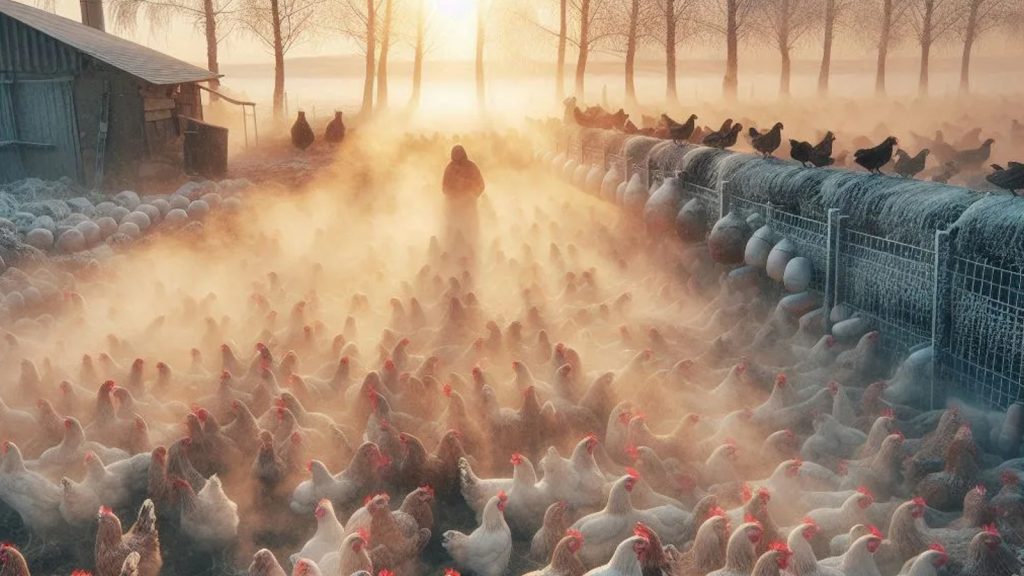
Managing breeder and layer flocks in cold weather requires precise control of ventilation, temperature, and humidity. The use of appropriate ventilation systems, correct adjustment of airflow, and continuous monitoring of environmental conditions play a key role in preventing cold stress and maintaining production performance.
7 Ways to Reduce the Effects of Mycotoxins in Poultry Production and Improve Flock Health
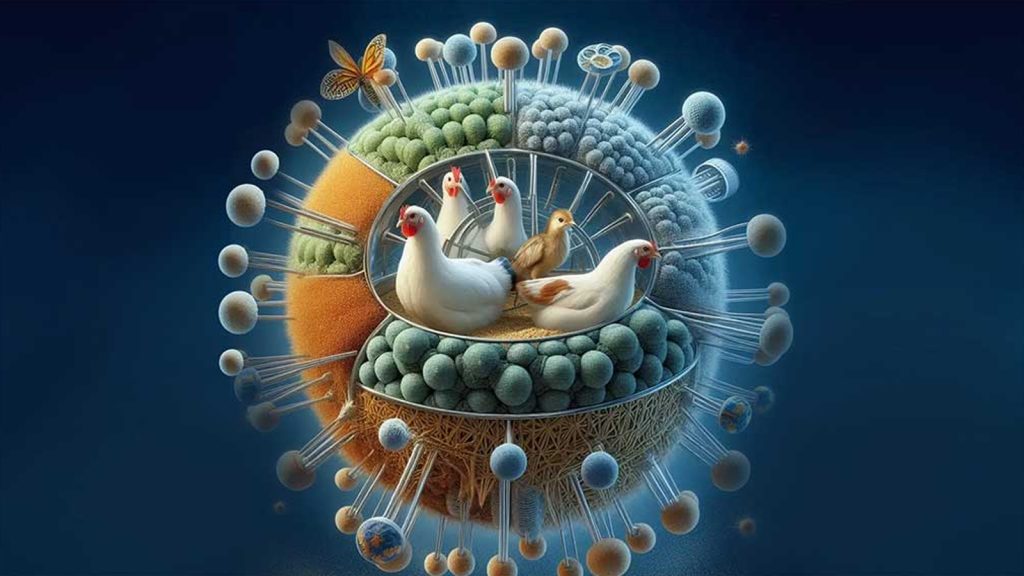
Mycotoxins are one of the major factors reducing performance in poultry, causing liver damage, impaired growth, and weakened immune function. Controlling feed storage conditions, along with the use of methionine, antioxidants, and toxin binders, are among the most important strategies to mitigate their effects.
The Role of Vitamins in Poultry Diets and Their Impact on Growth and Health
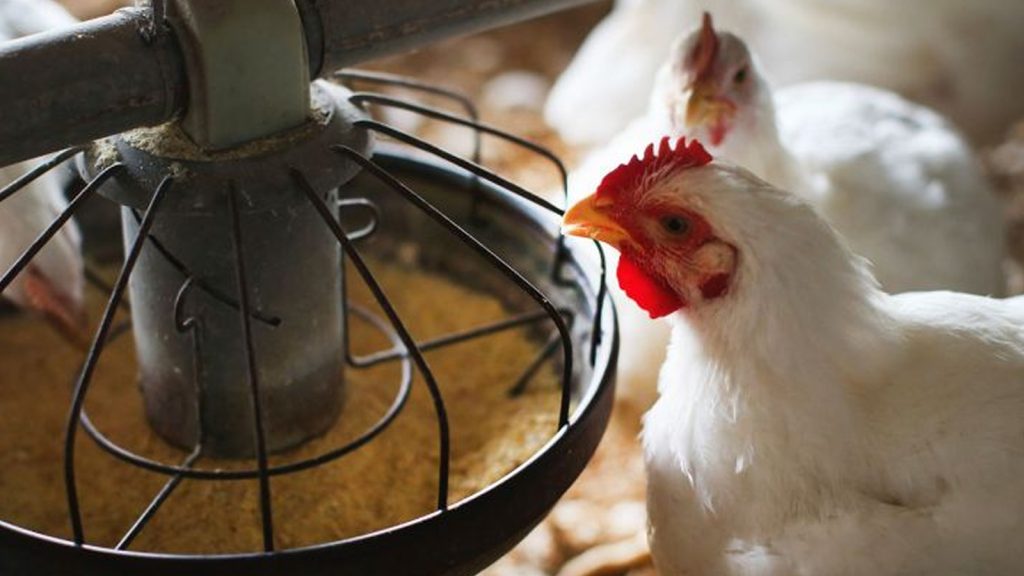
Vitamins play a vital role in the growth, health, and performance of poultry, and their deficiency can lead to diseases and reduced productivity. Balanced supplementation of fat- and water-soluble vitamins, especially through vitamin premixes, is essential for improving the performance of broiler and layer chickens. The use of complete feed also enables precise adjustment of these nutritional requirements.
Advantages of Pellet Feed Compared to Mash Feed in Broiler Production
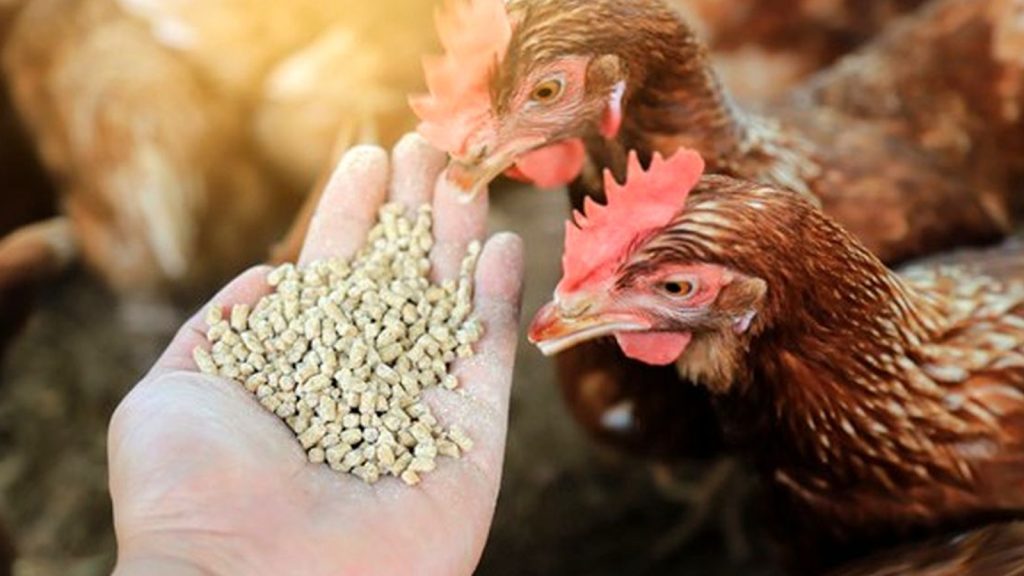
Pellet feed has several advantages over mash feed, including uniform intake, reduced feed wastage, improved hygiene, higher digestibility, and a better feed conversion ratio. These characteristics lead to improved growth, healthier flocks, and ultimately higher profitability in broiler production.
The Role of Vitamin C in Reducing Heat Stress in Poultry and Improving Broiler Performance
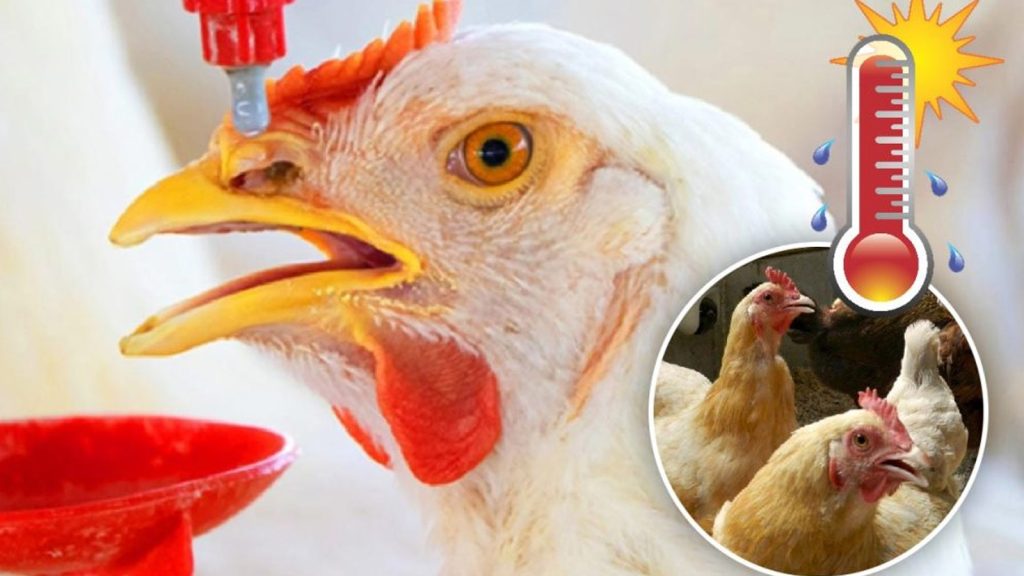
Heat stress is one of the limiting factors in poultry production that can reduce performance, health, and overall productivity. The use of vitamin C as an effective supplement improves immune function, reduces stress effects, enhances growth, and lowers mortality. Therefore, vitamin C supplementation under high-temperature conditions is a practical and effective strategy in poultry nutrition management.
The Effect of Vitamins A, D, and E on Poultry Immune System and Flock Performance
Vitamins A, D, and E play a vital role in strengthening the immune system of poultry. These vitamins enhance immune responses, reduce inflammation, and increase resistance to diseases, thereby improving overall flock performance. Balanced and proper inclusion of these vitamins in the diet is a key factor in successful poultry production.
Use of Dietary Fat in Broiler Nutrition and Its Impact on Growth and Performance
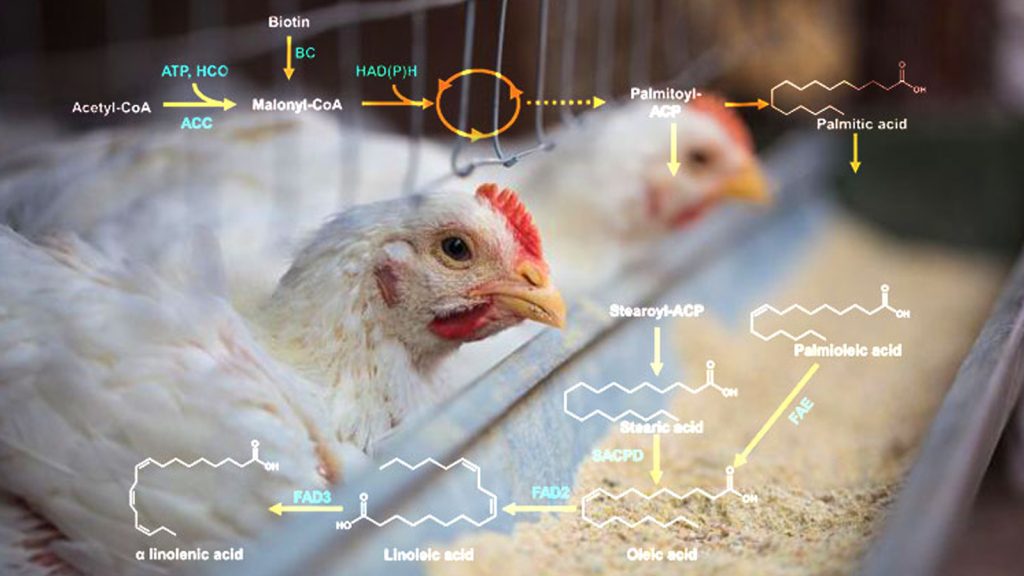
Fats play an important role in providing energy and improving performance in broiler chickens. The type of fat, the level of free fatty acids, and digestibility are key factors in successful feed formulation. Vegetable oils, due to better digestibility and higher efficiency, are considered a more suitable option compared to saturated fats, while the use of fat powder requires careful attention to quality and inclusion level.