
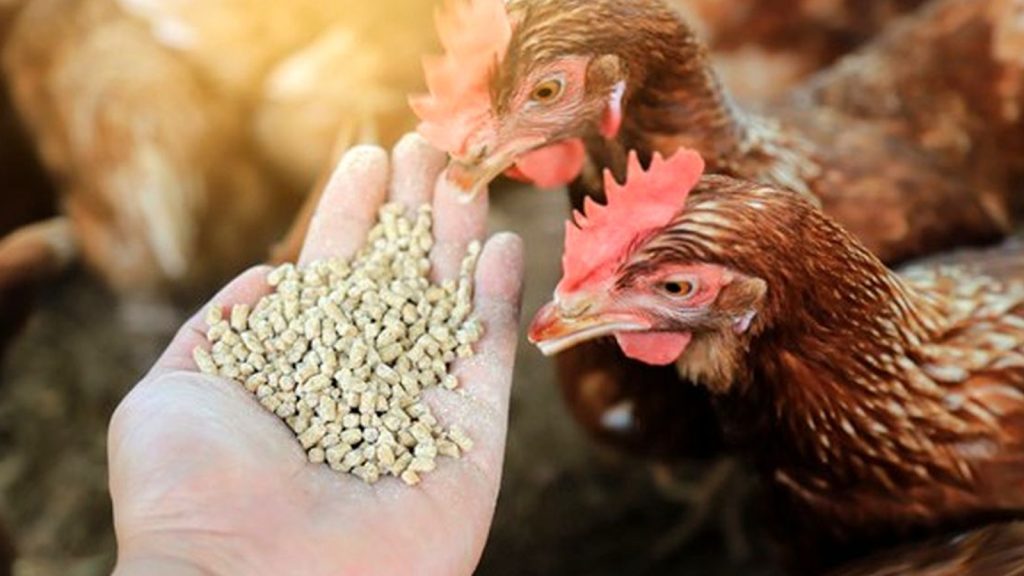
In broiler production systems, feed type plays a decisive role in growth performance, flock health, and overall profitability. Pellet feed, as a processed form of poultry nutrition, has increasingly replaced mash feed due to several functional and economic advantages.
What is Pellet Feed?
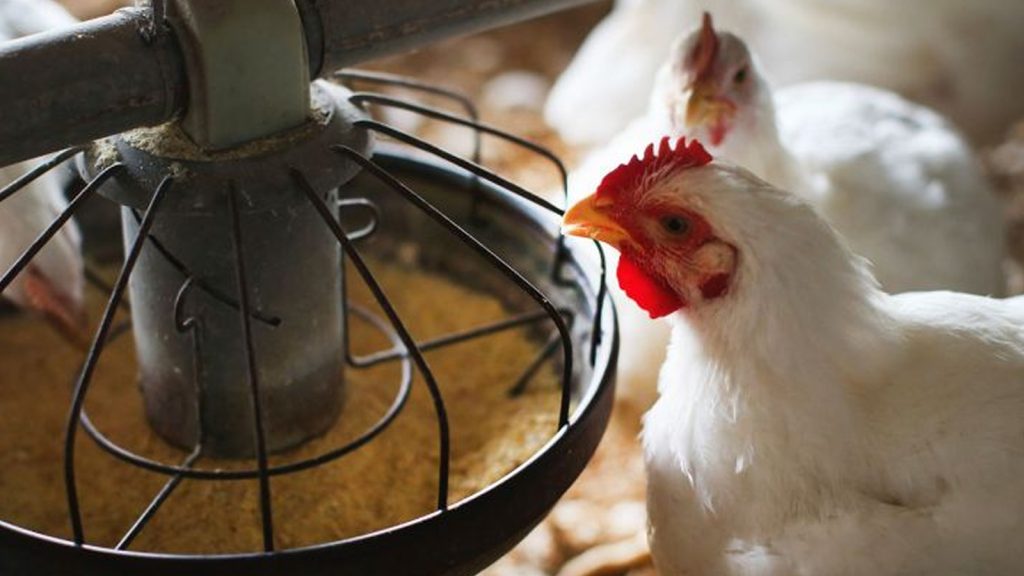
Pellet feed is produced through grinding, mixing, conditioning, and heat-processing of raw feed ingredients. This process forms compact, uniform pellets with evenly distributed nutrients. In contrast, mash feed consists only of ground and mixed ingredients without thermal processing or structural formation.
Improved Feed Uniformity and Reduced Waste
One of the key advantages of pellet feed is uniform nutrient intake. Each pellet contains a consistent nutrient profile, preventing birds from selective feeding.
In mash feed, birds tend to pick larger or more palatable particles, leading to nutritional imbalance and increased feed wastage.
Reduction of Microbial Contamination
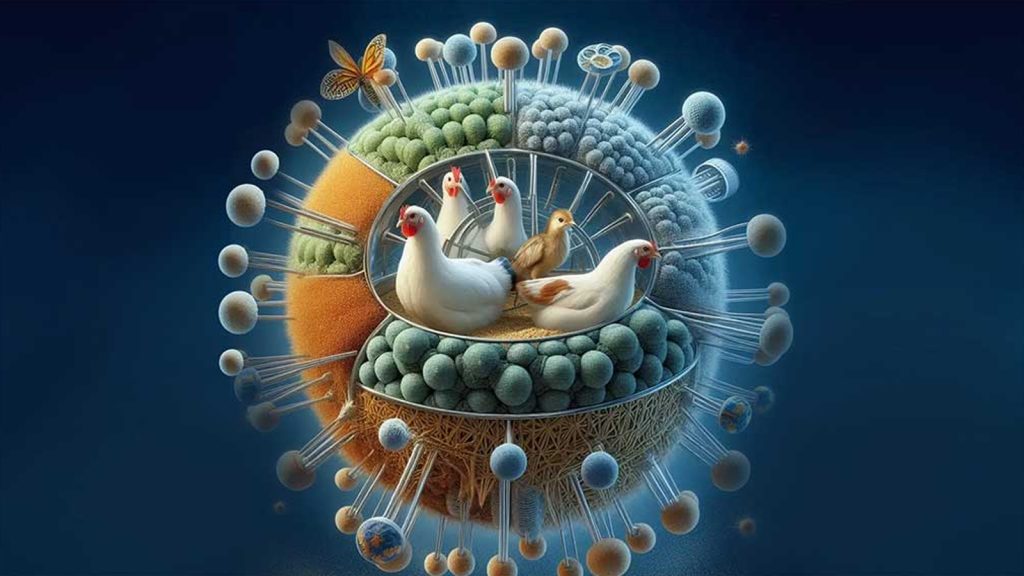
The heat and pressure applied during pellet production significantly reduce harmful pathogens such as bacteria and fungi. This improves flock health and lowers the risk of disease transmission through feed.
Feed Hygiene Importance
Some microbial agents can directly cause mortality in poultry, while others may indirectly affect human health through the food chain. Therefore, reducing microbial load in feed is critical for both production and food safety.
Improved Digestibility and Nutrient Absorption
Pellet feed offers higher digestibility due to the cooking process and uniform nutrient distribution. This allows more efficient nutrient absorption, resulting in better growth rates and improved meat quality.
Improved Feed Conversion Ratio (FCR)
Pellet feeding improves feed conversion efficiency, meaning less feed is required to produce more body weight. This leads to higher productivity with lower input costs.
Impact on Profitability
Reduced mortality, improved growth performance, higher final body weight, and lower feed consumption all contribute to increased profitability in poultry production systems.
Practical Conclusion
Pellet feed, by providing uniform nutrition, reducing microbial contamination, improving digestibility, and enhancing feed efficiency, is a more effective feeding strategy compared to mash feed in broiler production. Its use can significantly improve the economic performance of poultry farms.