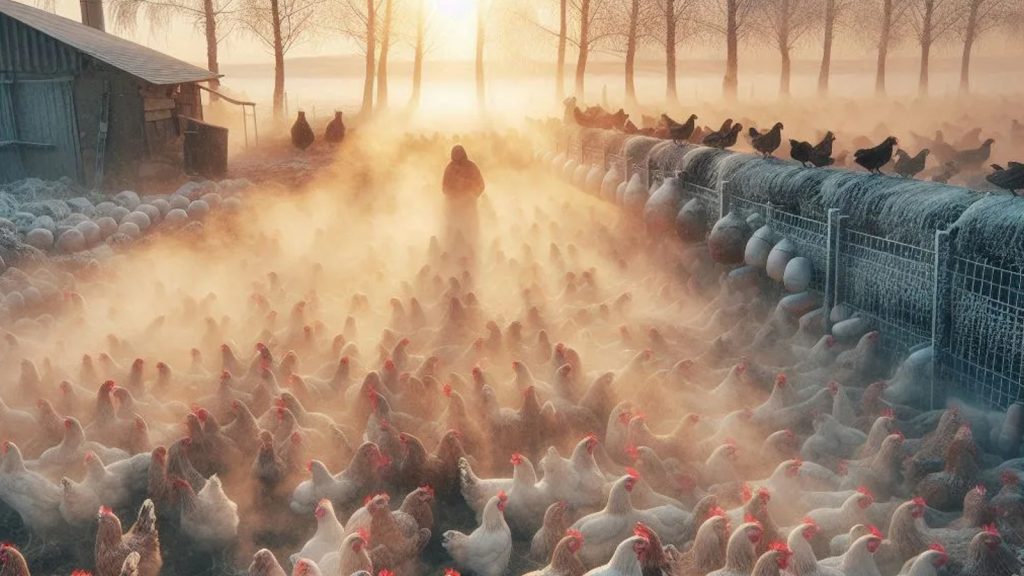

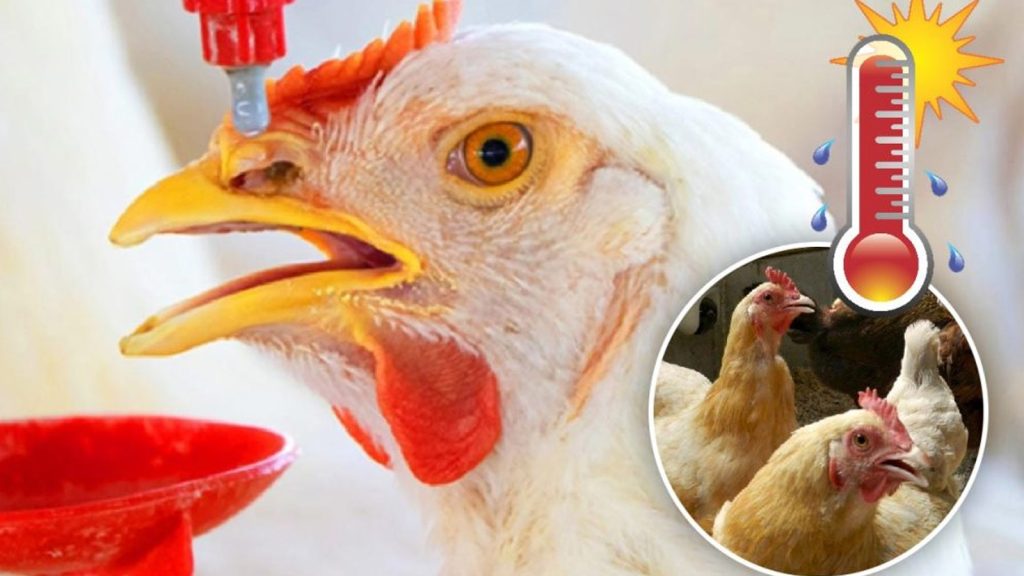
Heat stress is one of the most important challenges in poultry production, directly affecting growth, health, and productivity. Under high ambient temperatures, immune function, feed intake, and production quality decline. In this context, nutritional supplementation—especially vitamin C—is considered an effective strategy to mitigate heat stress effects.
Heat Stress in Poultry Production
High environmental temperatures, particularly in summer, can cause heat stress in poultry. This condition may occur in acute (short-term) or chronic (long-term) forms. In both cases, key performance parameters such as feed intake, body weight, mortality rate, hatchability, and carcass quality are negatively affected.
Since birds lack sweat glands, they have limited ability to dissipate heat and mainly rely on panting for thermoregulation. When this mechanism is insufficient, the risk of lethargy, metabolic disorders, and even death increases.
Nutritional Strategies to Combat Heat Stress
To reduce heat stress effects, nutritional interventions are essential, including:
- Use of highly digestible diets
- Increasing dietary energy density
- Adding fat as an energy source
- Precise amino acid balancing
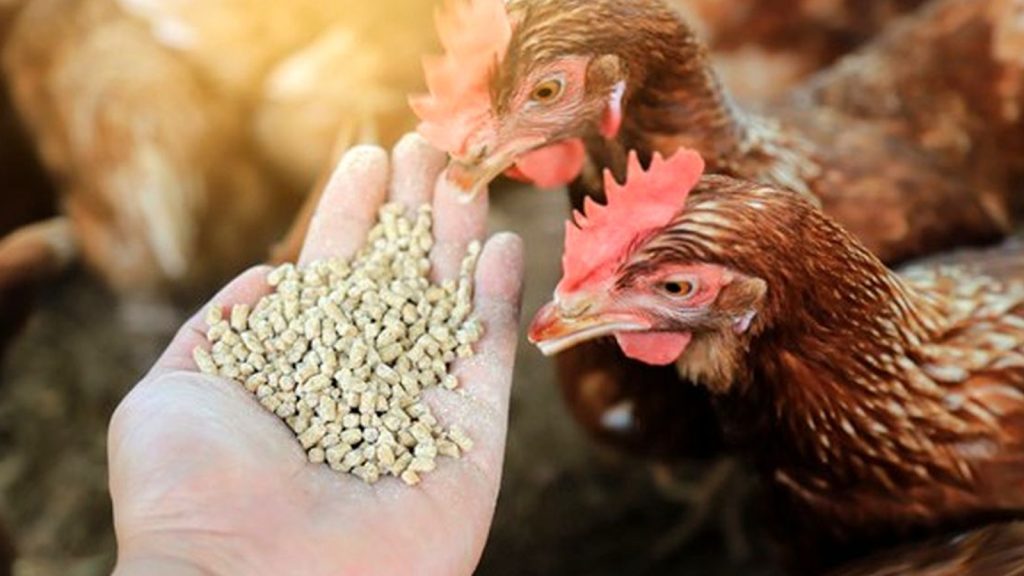
- Vitamin and mineral supplementation
Among these, vitamin supplementation plays a key role in maintaining bird performance under stress conditions.
Role of Vitamins in Heat Stress Management
Vitamins are essential for maintaining immune function and normal physiological processes. Under stress conditions such as heat, vitamin requirements increase. Vitamin deficiencies can weaken immunity and reduce disease resistance.
Vitamin C and Heat Stress
Vitamin C (ascorbic acid) is one of the most important supplements for stress management in poultry. Its use during heat stress periods helps reduce negative thermal effects, improve growth performance, strengthen immunity, and enhance product quality (meat and eggs).
Physiological Functions of Vitamin C in Poultry
Vitamin C plays a key role in regulating physiological stress responses. It is involved in metabolic processes such as hormone production (including corticosterone) and energy metabolism. It also contributes to collagen synthesis and tissue development.
Under heat stress conditions, endogenous vitamin C synthesis is insufficient. Therefore, supplementation leads to:
- Increased resistance to stress
- Improved broiler growth performance
- Enhanced immune function
- Reduced mortality
- Greater resistance to diseases such as Newcastle disease
Impact on Production Performance
Vitamin C supplementation not only benefits broilers but also breeder flocks by improving fertility, increasing hatchability, and enhancing final product quality. For this reason, it is an essential component of poultry nutrition programs under heat stress conditions.