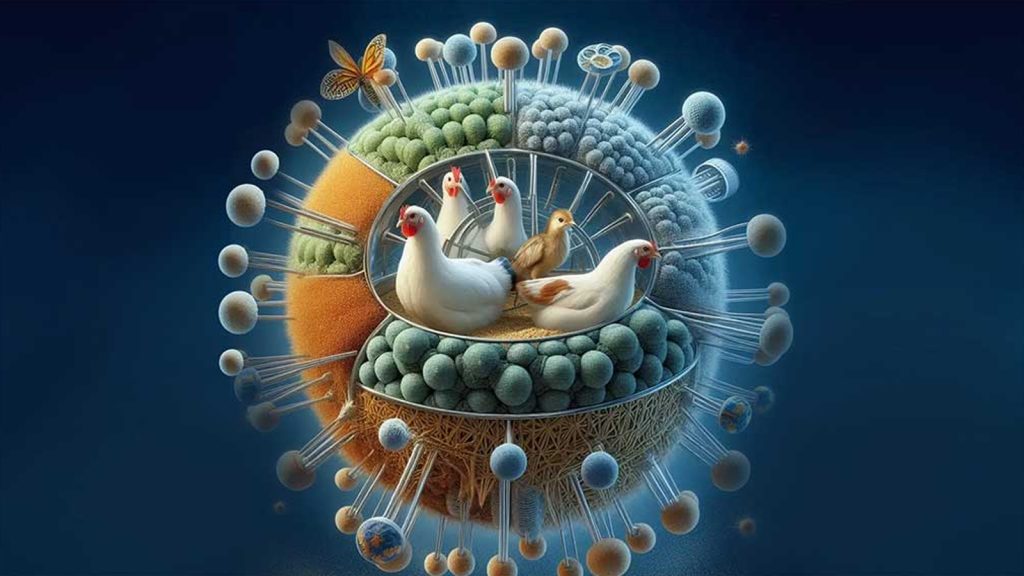

Vitamins are among the most important micronutrients in poultry diets, playing a critical role in growth, metabolism, and especially immune function. Among them, vitamins A, D, and E—known as fat-soluble vitamins—have a significant impact on immune responses, inflammation control, and disease resistance in poultry.
Importance of Vitamins A, D, and E in Immune Function
These vitamins regulate gene expression, enhance cellular and humoral immune responses, and reduce oxidative stress. They also improve vaccine response and increase resistance against infectious agents, thereby supporting overall flock health.
Vitamin A and Immune Function in Poultry
Vitamin A, including retinol and retinoic acid, is essential for immune regulation and maintaining epithelial tissue integrity.
Key functions:
- Strengthens mucosal immunity (intestinal and respiratory systems)
- Increases IgA antibody production
- Regulates inflammatory responses
- Enhances activity of immune cells such as macrophages
Deficiency effects:
Vitamin A deficiency weakens immune defense, disrupts mucosal integrity, increases susceptibility to infections, and negatively affects growth and digestive function.
Vitamin D and Immune Regulation
Vitamin D3 is the biologically active form in poultry and plays an important role beyond calcium metabolism, including immune regulation.
Immune effects:
- Enhances T and B cell activity
- Stimulates antibody production
- Increases antimicrobial peptide expression
- Improves vaccine response
Mechanism of action:
Vitamin D binds to vitamin D receptors (VDR) in immune cells, regulating gene expression related to immunity and balancing pro- and anti-inflammatory responses.
Vitamin E and Antioxidant Function
Vitamin E is one of the most powerful antioxidants in poultry nutrition, protecting cells from oxidative damage caused by free radicals.
Key effects:
- Reduces oxidative stress
- Enhances T and B lymphocyte activity
- Improves vaccine response
- Lowers pro-inflammatory cytokines
Disease impact:
Research shows vitamin E supplementation improves resistance against diseases such as coccidiosis, reduces mortality, and enhances growth performance.
Synergistic Effect of ADE Vitamins
Vitamins A, D, and E act synergistically, and their combined effect leads to:
- Strengthened innate and adaptive immunity
- Improved vaccine efficacy
- Reduced inflammation and stress
- Enhanced overall flock performance
Dosage Considerations
Vitamin levels should be adjusted based on production conditions, breed, age, and flock health status. Both deficiency and excess can have negative effects; therefore, precise formulation should be managed by a nutritionist or veterinarian.